Northern Battery

AMPYR in partnership with Green Gold Energy (GGE) are developing the Northern Battery in Port Augusta to provide South Australia with energy reliability and security through energy storage.
270 MW
1,145 MWh at the point of connection, configured to operate as an 8 hour BESS when required
45000
homes powered during peak demand periods when renewables are not producing
120 +
jobs expected to be created during construction
Northern Battery
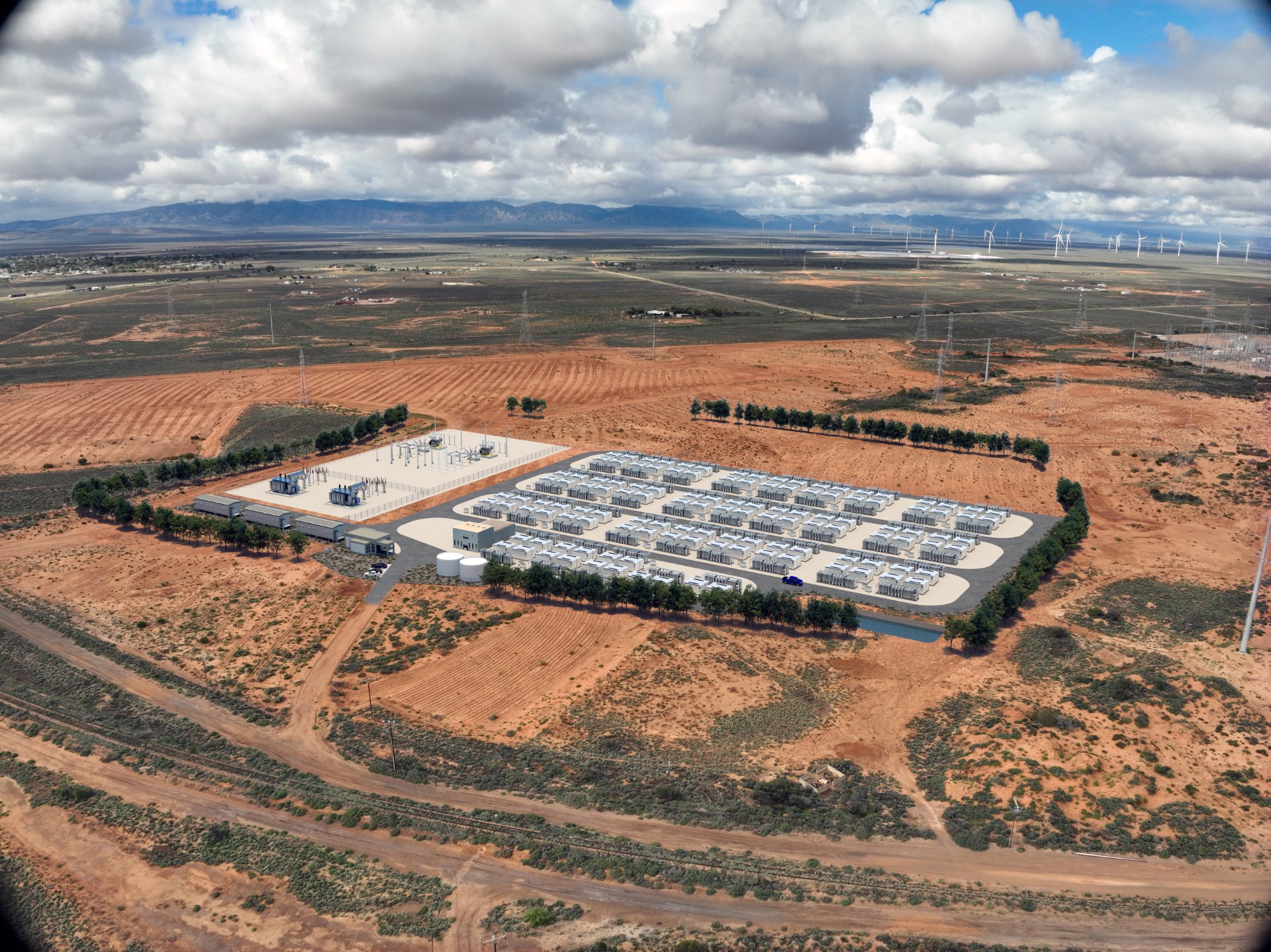
The Northern Battery will comprise modular batteries and inverters in rows, delivering a nameplate capacity of 270 MW, with a total storage capacity of 1,145 MWh at the point of connection. A new substation will be developed adjacent to the battery area and connected to the existing Davenport substation via a new underground transmission line.
The project will also include ancillary infrastructure such as storage buildings, staff amenities, stormwater ponds, and site fencing, with vehicle access provided via Augusta Highway and Northern Power Station Road to ensure efficient site operations.
The site of the Northern Battery was chosen with careful consideration to minimise impacts on the environment and residents of the Port Paterson area.
Project status
Location
The project is located approximately 6 km south of the centre of Port Augusta.
The project site formerly hosted the Northern Power Station, which was closed in 2016 and has subsequently been demolished. The BESS development site is less than 1% of the Northern Power Station site (approximately 7.7 hectares).
What is the planning approval process in South Australia?
A BESS development is assessed by the South Australian Department for Energy and Mining (DEM) and determined under the Hydrogen and Renewable Energy Act 2023 (HRE Act) by the Minister for Energy and Mining (the ‘Minister’). A BESS requires an Associated Infrastructure Licence (AIL) under the HRE Act.
To obtain an AIL, a developer must prepare an Environmental Impact Report (EIR) which describes the environmental conditions and potential impacts the development may have on the environment. A developer of a renewable energy facility, including a BESS development must avoid or reduce environmental damage as far as reasonably practicable. Managing environmental risks is outlined in the Statement of Environmental Objectives (SEO), which establishes criteria to be applied to various objectives. By way of example, noise generation may be considered an environmental risk and there will be criteria which would be applied to ensure that any potential noise is managed appropriately.
The EIR was supported by a range of expert environmental reports, including acoustic, visual, native vegetation, cultural heritage, traffic and stormwater/civil assessments. The outcomes of these technical reports informed the management of the environment for the construction and operation of the development and informed the SEO.
DEM published the EIR and draft SEO for public consultation, which concluded on 30 March 2026. The SEO for the Northern Battery has since been approved, and the project has been granted Associated Infrastructure Licence AIL 16. The approved SEO, the EIR and the AIL are published by DEM on the HRE Act Register here.
Community
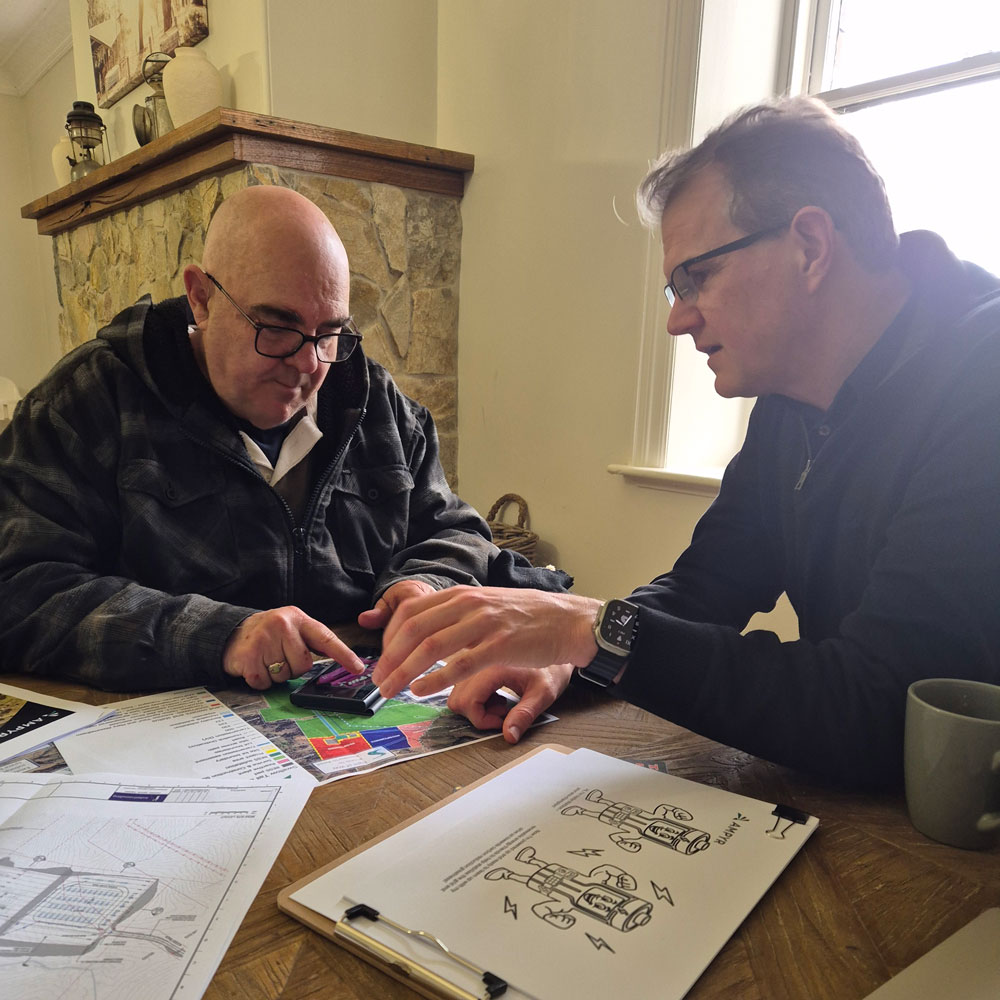
AMPYR is committed to working with local communities to support jobs and business opportunities, avoid and minimise impacts and deliver lasting benefits for local people.
Community Benefit Fund
The Northern Battery Community Benefit Fund has now closed. We will be contacting successful applicants soon.
To view the Community Benefit Fund Guidelines, click here.
In 2025, over $40,000 of funding was awarded to support community programs, projects and groups in and around Port Augusta through the Northern Battery Community Benefit Fund.
Empowering Australia’s First Nations
AMPYR is committed to partnering with local First Nations communities to respect culture and Country, support local jobs, business and training, and deliver legacy benefits for the community.
AMPYR is also committed to pursuing equity partnerships with local First Nations communities, where this delivers benefits for the project and the community. Equity stakes in AMPYR can deliver 20+ year revenues and support First Nations economic empowerment and self-determination.
News
AMPYR Secures South Australia’s FERM Contract for 270MW Northern Battery, Breaking Ground Q4 2026
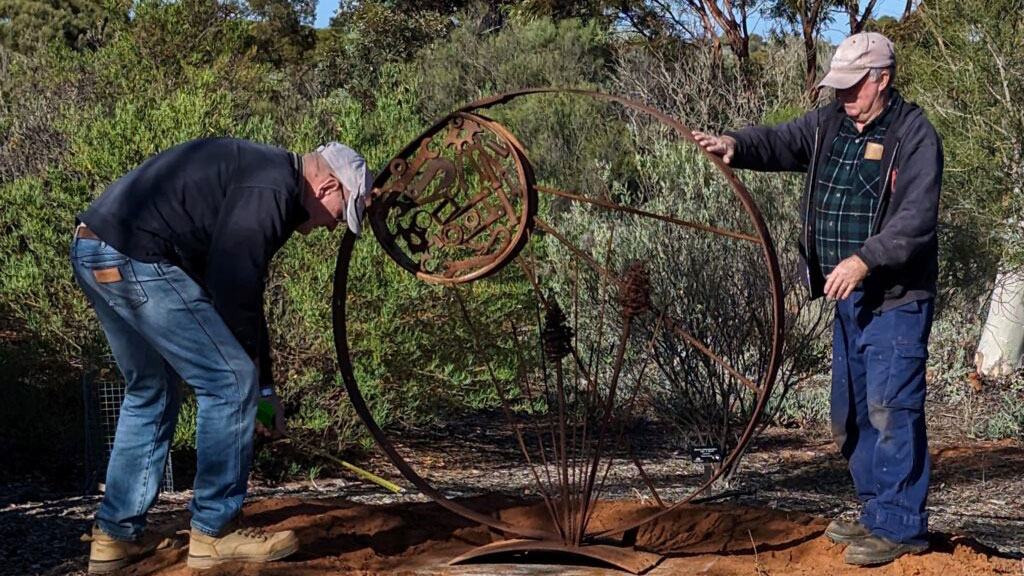
AMPYR delivers first of many Port Augusta community investments
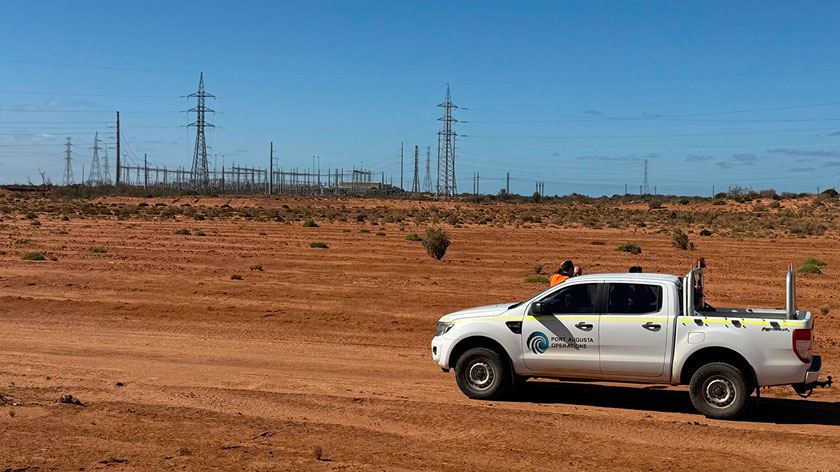
AMPYR and Green Gold Energy to transform Port Augusta coal site with next-generation battery storage
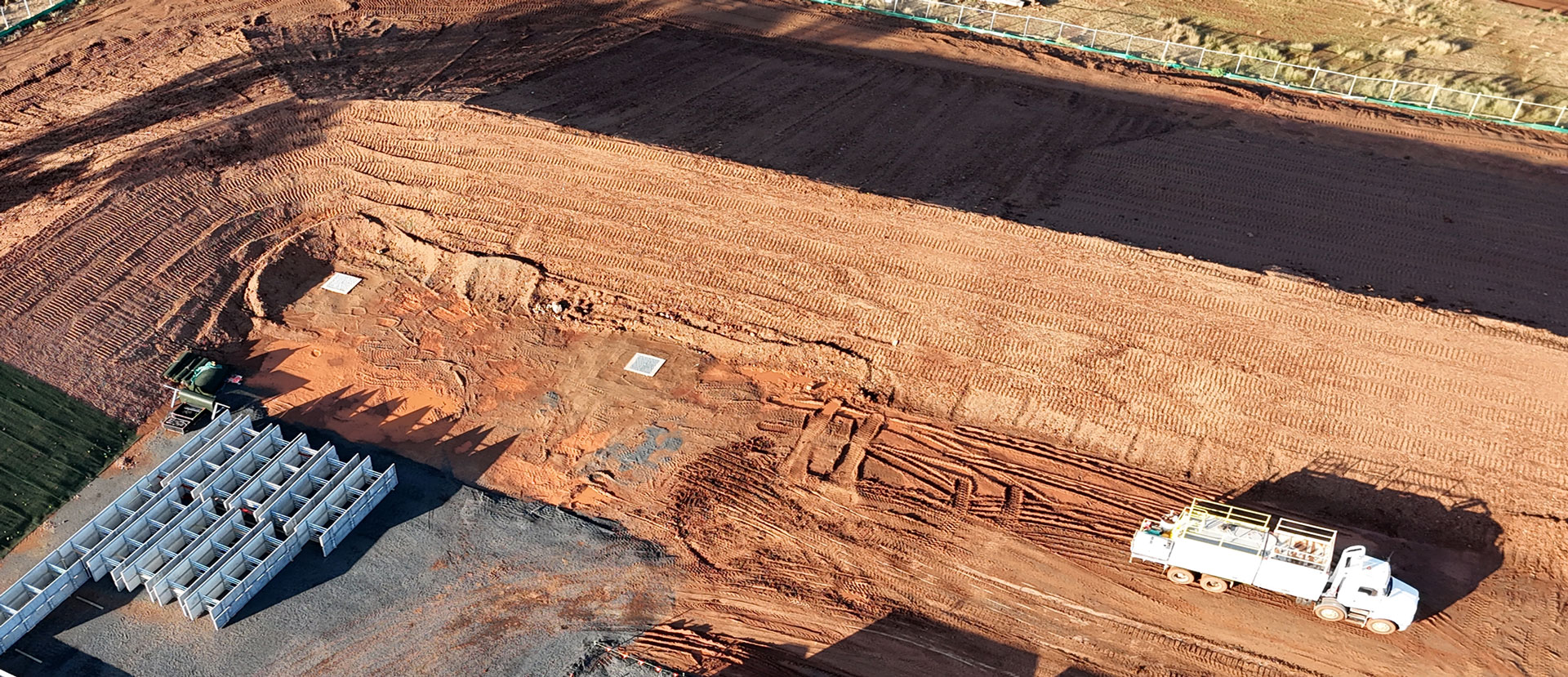
Please reach out anytime with questions or feedback
Project enquiries and feedback
Email: community@ampyrenergy.com
Mobile No.: 0492 052 405 (Darren Chesterfield, Community Partnerships and Impact Director)
To view our complaint handling process, click here.