Bulabul Battery

AMPYR is developing the Bulabul Battery in Wellington, Central West New South Wales, to support Australia’s transition to a cleaner, more reliable energy future.
Bulabul Battery (formerly the Wellington BESS or Wellington Battery Energy Storage System) was named by the Binjang Clan of the Wiradjuri people in August 2025. “Bulabul” means “two acting together,” symbolising the partnership between the Wellington Aboriginal community and the project, and the meeting of the Bell and Macquarie rivers at Wellington.
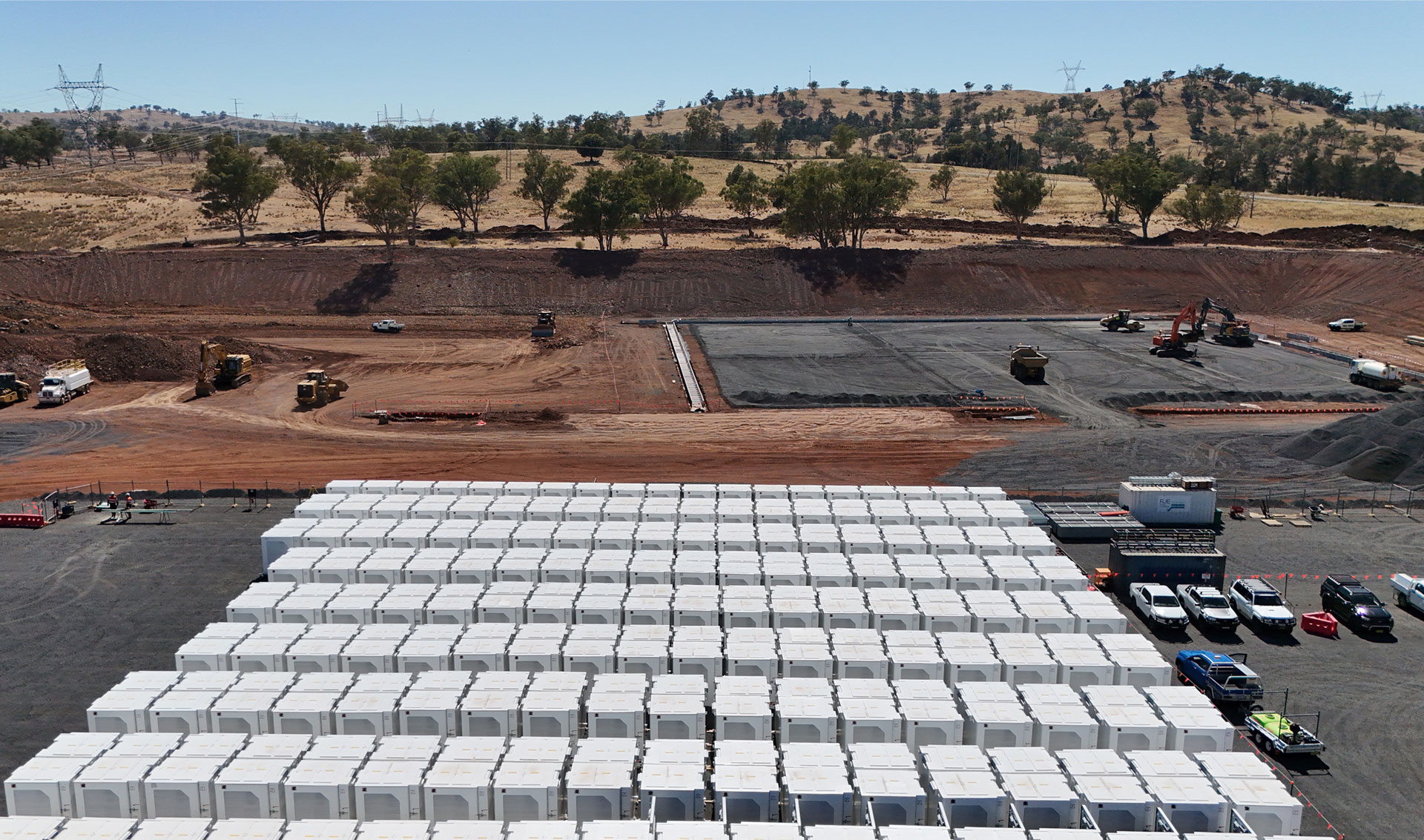
The project is being delivered in two stages. These two stages will provide a total of 400 MW of power and 1 GWh of storage capacity, enabling the system to store renewable energy and dispatch it during periods of high demand.
300 MW
600 MWh Size of battery (Stage 1)
52200
homes powered during peak demand periods when renewables are not producing
90
peak construction workforce during construction (Stage 1)
100 MW
400 MWh Size of battery (Stage 2)
17000
homes powered during peak demand periods when renewables are not producing
60
peak construction workforce during construction (Stage 2)
Bulabul Battery
The Bulabul Battery, a utility‑scale Battery Energy Storage System (BESS), will both charge from and discharge back into the national electricity grid.
It will operate by charging during periods of low electricity demand -typically when renewable generation is high-and discharging during peak demand periods. This helps balance supply and demand on the grid, reduces costs, improves reliability, and supports the integration of renewable energy sources.
The system will connect to the National Electricity Market (NEM) via the adjacent Wellington 330kV substation and will participate actively in daily market operations. It will also provide essential system services to the market, which are managed by the Australian Energy Market Operator (AEMO).
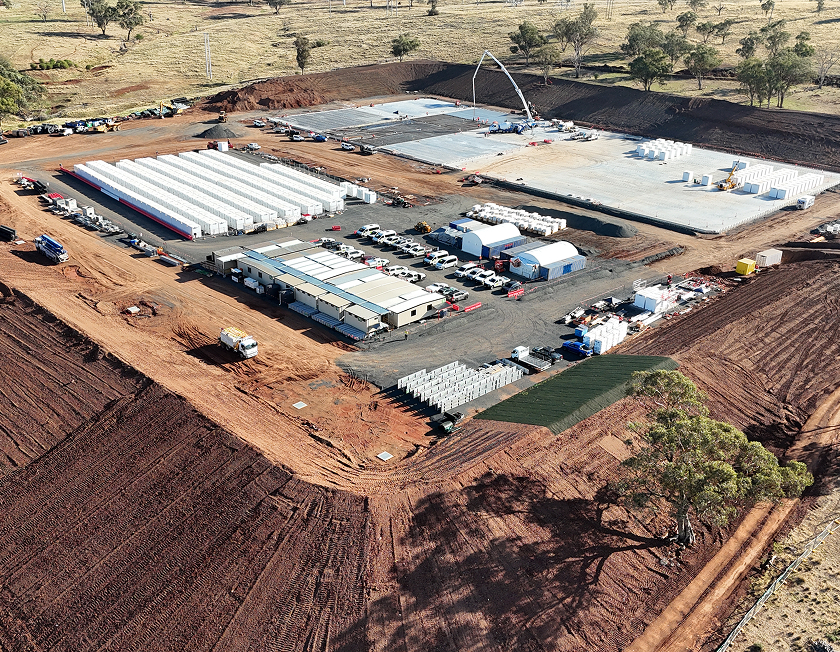
Project Status
Location
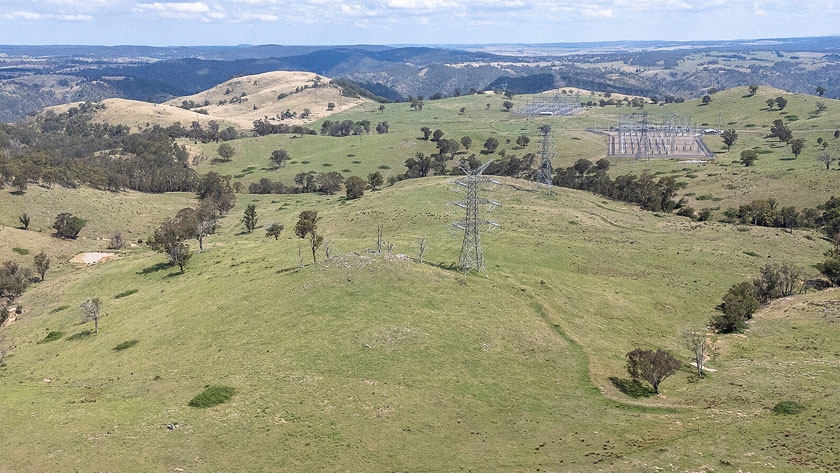
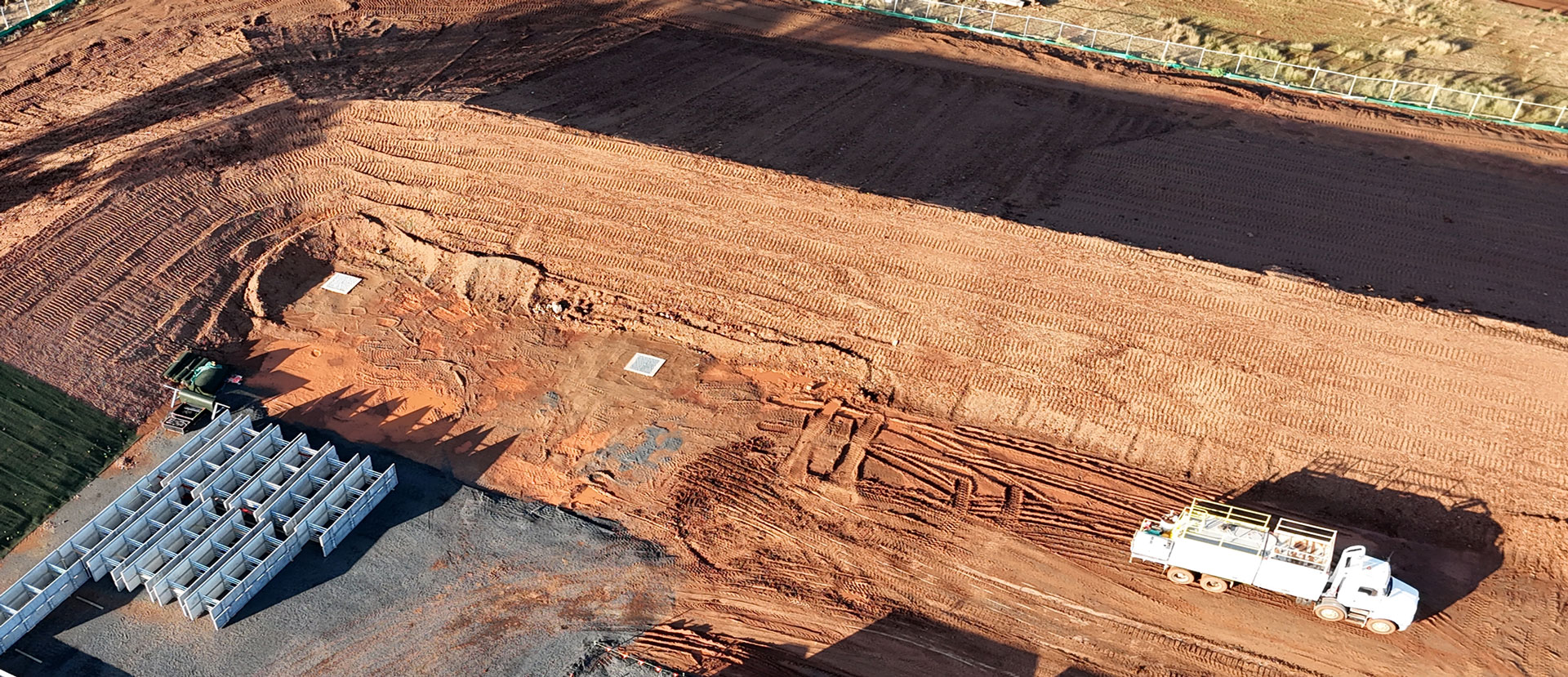
The Bulabul Battery is located on Wiradjuri Country five kilometres north east of Wellington in the Dubbo Regional Council local Government area (LGA).
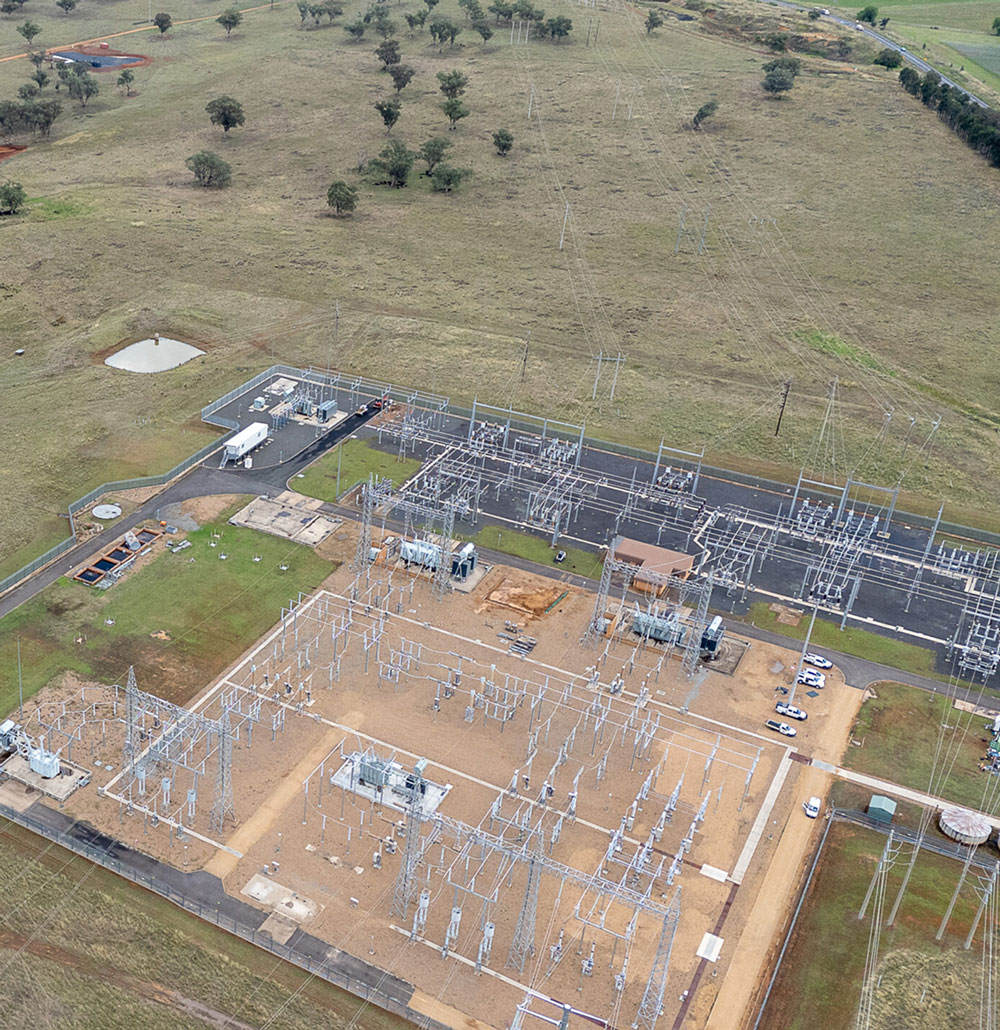
The Bulabul Battery is adjacent to and will connect to the Transgrid Wellington substation. The Transgrid Wellington substation is a key point on Transgrid’s 330kV transmission network, connecting renewable energy resources with electricity consumers across NSW.
Empowering Australia’s First Nations
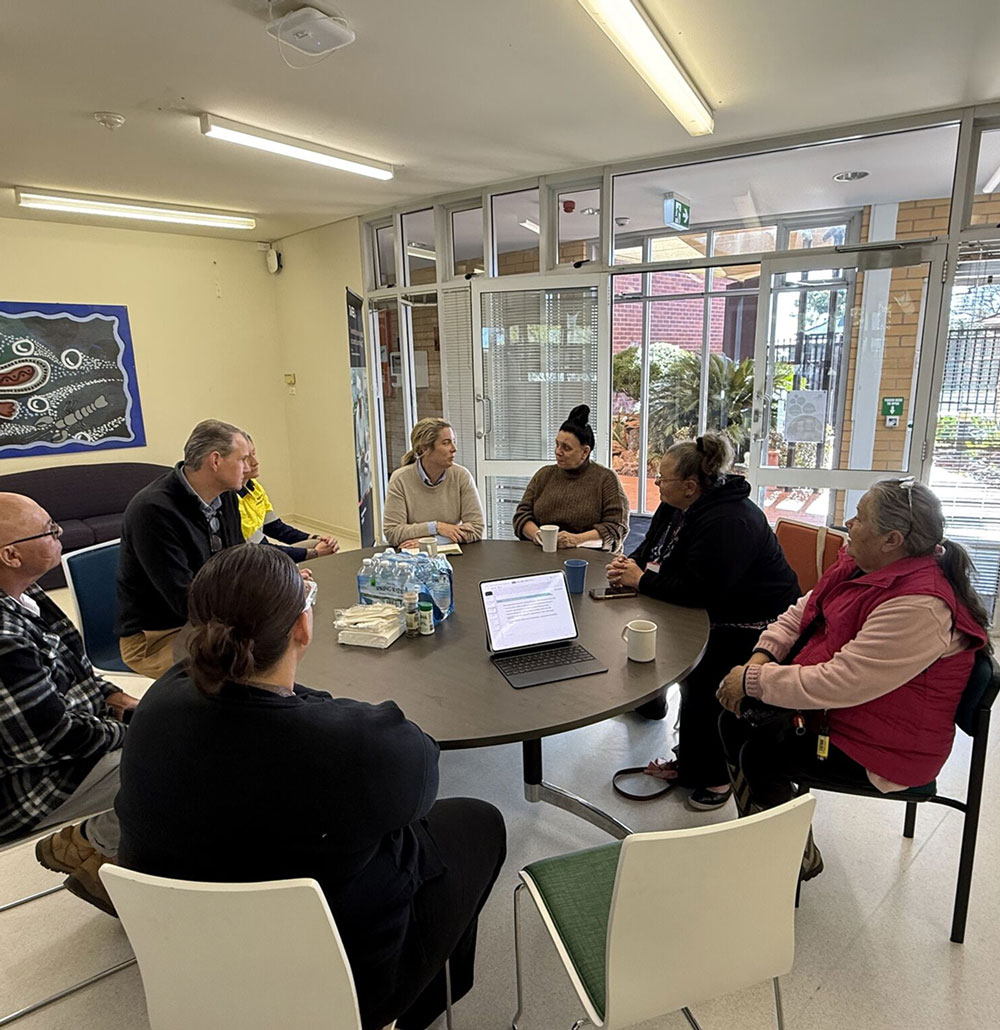
AMPYR has agreed an equity partnership with the Wellington Aboriginal Community in the Bulabul Battery.
This equity right give Wambal Bila, a new Community-controlled corporation, the right to invest in a 5% equity share in Bulabul 1. The equity stake includes a preferred, fixed annual return and a share of ongoing equity returns alongside other investors. Over the life of Bulabul 1, this is expected to deliver total returns of $20-$30 million, after interest and costs, to the Wellington Aboriginal Community. Wambal Bila and AMPYR have agreed to pursue similar arrangements for Wambal Bila 2.
Wambal Bila will invest all returns in the future of the Wellington Aboriginal Community. Wambal Bila’s membership is open to all members of the Aboriginal Community living in Wellington (postcode 2820).
“The creation of Wambal Bila is a testament to a new era of partnership and empowerment within the energy sector,” said Wambal Bila Director, Keiyana Guihot. “It ensures that the benefits of the Bulabul Battery project flow directly back to our community, enabling us to invest in our cultural heritage, create economic opportunities, and support the well-being of our people for generations to come. We believe this model will inspire similar collaborations across the industry.”
The partnership, which was awarded the IJGlobal ESG Impact Deal of the Year in 2025, is designed to provide tangible benefits for both AMPYR and the Wellington Aboriginal Community.

Project documentation
Project overview
Opportunities to work with us
Project approval documentation
-
Available on the Department of Planning and Environment’s Major Projects website Planning Portal.
Environmental impact statement
- Environmental Impact Statement
- Appendix A - SEARS compliance table
- Appendix B - Statutory Compliance Table
- Appendix C - Project Engagement
- Appendix D - Mitigation Measures
- Appendix E - Biodiversity Development Assessment Report
- Appendix F - Aboriginal Cultural Heritage Assessment
- Appendix G - Historic Heritage Assessment
- Appendix H - Land soil and Erosion assessment
- Appendix I - Land use Conflict Risk Assessment.pdf
- Appendix J - Visual Impact Assessment
- Appendix K - Noise and vibration impact-assessment.pdf
- Appendix L - Traffic Impact Assessment
- Appendix M - Water Assessment
- Appendix N - Hazards and Risk
- Appendix O - Social Impact Assessment
Response to submissions report
Approval Decision and Conditions (December 22nd 2023)
Post approval documentation
- A15 Planning Agreement with Dubbo Regional Council
- B5 Site Access
- B6 and B7 Timing of road upgrades
- B10 Traffic Management Plan
- B12 and B13 Biodiversity Offset
- B14 Biodiversity Management Plan
- B25 Unexpected Finds Protocol
- B29 Fire Safety Study
- B29 Fire Safety Study - Approval
- B35 Accommodation and Employment Strategy
- C1 Environmental Management Strategy
- C3 Staging Approval (1)
- C3 Staging Approval (2)
- C7 Notification of Commencement of Stage 1b Construction Activities
- C7 Notification of Commencement of Stage 1c Construction Activities
- C8 Final Layout Plans
- Bulabul-Battery - Community Complaints Register
Connect with the right team below
Project enquiries and feedback
Please fill out this form General Contact and Feedback Form otherwise, please reach out anytime with any questions or feedback: wellington@ampyrenergy.com or call the team on 1800 718 538.
Industry registration and ICN
Fill out this form Industry Registration, or see what packages are available for the Project through ICN here.